About this book
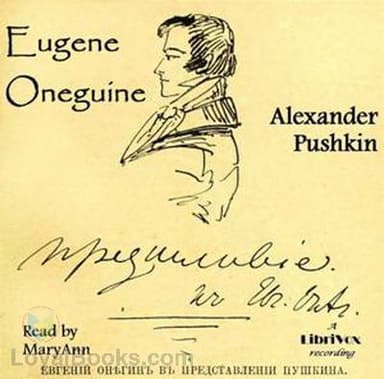
Alexander Pushkin's Eugene Onéguine stands as one of literature's most captivating verse narratives, introducing a protagonist whose ennui and emotional detachment would define an entire tradition of Russian literary heroes. Originally serialized between 1825 and 1832, this groundbreaking novel-in-verse combines the intimacy of first-person storytelling with the sophistication of masterful poetry.
The story unfolds through the eyes of an educated, worldly narrator—a fictionalized version of Pushkin himself—who guides us through the lives of the titular Eugene, a jaded aristocrat; Tatyana, an idealistic young woman; and Lensky, a passionate romantic poet. Their interconnected fates explore timeless themes of love, loss, social convention, and the quiet desperation of wasted potential. What makes this romance exceptional is Pushkin's innovative "Onegin stanza," an intricate rhyme scheme of iambic tetrameter that became the gold standard for Russian poetry.
The narrator's digressive, conversational tone creates an intimate reading experience, allowing profound character development despite the plot's deceptive simplicity. Pushkin's economical yet transparent verse demonstrates the virtuosity that established him as the undisputed master of Russian poetry, blending natural diction with intellectual depth.
Perfect for anyone seeking to understand the foundations of Russian literature or exploring timeless explorations of passion versus pragmatism, Eugene Onéguine remains as resonant today as when it first appeared nearly two centuries ago.