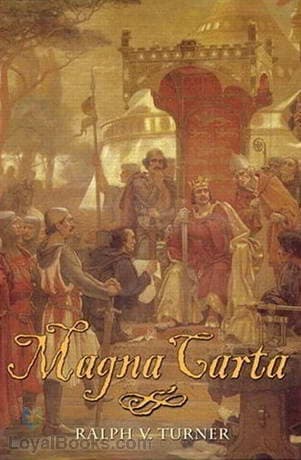
About this book
Magna Carta stands as the foundational document that fundamentally transformed the relationship between rulers and the ruled. Born from conflict between King John, the Pope, and English barons over royal authority, this landmark charter established a revolutionary principle: even the king must answer to the law. Written in Latin during the 13th century, Magna Carta required the monarchy to renounce absolute power and respect established legal procedures, laying essential groundwork for constitutional governance.
This historical text catalyzed a centuries-long journey toward the rule of law that underpins modern democracies worldwide. By constraining arbitrary royal power and protecting certain legal rights, Magna Carta shifted the balance of authority and introduced the radical notion that no person—regardless of station—stands above justice. The charter's clauses addressed grievances ranging from taxation to feudal disputes, yet its broader significance transcended these immediate concerns.
Scholars, history enthusiasts, and anyone interested in understanding how democratic institutions evolved will find this audiobook invaluable. Whether you're exploring the roots of constitutional law, studying medieval political struggles, or seeking to understand how individual liberties emerged in Western civilization, Magna Carta offers essential context. This seminal document continues to influence legal systems and political philosophy, making it as relevant today as when those powerful barons first challenged absolute monarchy.