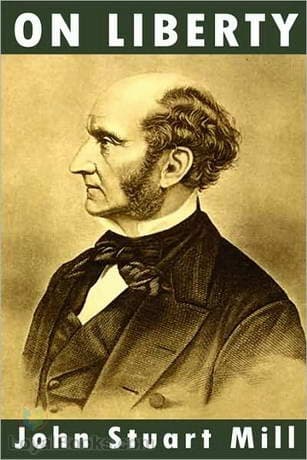
About this book
John Stuart Mill's *On Liberty* stands as one of the most influential philosophical treatises on individual freedom ever written. Published in 1859, this groundbreaking work argues passionately that society progresses only when individuals are free to think, speak, and act according to their own convictions—provided they harm no others.
Mill examines the fundamental tension between personal liberty and social authority, distinguishing between two forms of oppression that threaten human flourishing: government tyranny and the tyranny of the majority. He contends that the latter poses the greater danger, as it's far easier to resist political coercion than to defy prevailing social opinion. Through a utilitarian lens, Mill demonstrates why diversity of thought strengthens society, why individual self-expression matters profoundly, and where legitimate government power must end.
Across five carefully structured chapters, Mill addresses education, religion, economic freedom, and self-regarding conduct—issues as relevant today as in his era. He builds a compelling case for limiting state interference while respecting individual autonomy, ultimately arguing that a free society depends on protecting the rights of dissenters and nonconformists.
This philosophical classic is essential listening for anyone interested in understanding the foundations of modern liberalism, free speech debates, and the ongoing struggle between individual rights and collective authority. Whether you're exploring political philosophy for the first time or revisiting its essential texts, Mill's eloquent reasoning will reshape how you think about freedom.