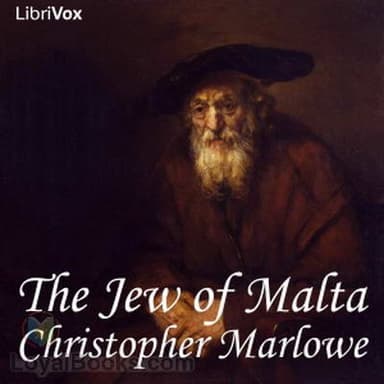
About this book
Christopher Marlowe's The Jew of Malta stands as one of the most provocative and influential tragedies of the Elizabethan era, featuring a protagonist whose cunning and ambition rival Shakespeare's greatest creations. Set against the tumultuous Mediterranean backdrop of Spanish and Ottoman imperial struggle, this dramatic masterpiece explores themes of religious conflict, revenge, and moral transgression through the story of Barabas, a wealthy Jewish merchant whose ruthless pursuit of power sets in motion a cascade of betrayal and bloodshed.
Written in Marlowe's signature magnificent blank verse, the play opens with Machiavel—a ghost embodying the philosophy of Niccolò Machiavelli—introducing the audience to a figure of extraordinary complexity. Barabas navigates a world of shifting allegiances and religious hypocrisy, challenging audiences to confront uncomfortable questions about prejudice, justice, and the corrupting nature of ambition. The psychological depth of Marlowe's characterization profoundly influenced later works, most notably Shakespeare's The Merchant of Venice.
This is essential listening for anyone interested in Renaissance drama, the foundations of English tragedy, or the philosophical questions that continue to resonate across centuries. Whether you're a student of literature, a theater enthusiast, or simply seeking a gripping narrative that explores the darkest corners of human nature, Marlowe's masterwork delivers unforgettable dramatic power and intellectual provocation.